

As America marks 250 years of independence, Harford County’s own act of defiance, signed more than a year before the Declaration of Independence, deserves its moment.
The name on the map today is Bel Air. But before county seats and courthouses, before the suburbs crept north from Baltimore, there was a place called Harford Town, and before Philadelphia, there was Bush.
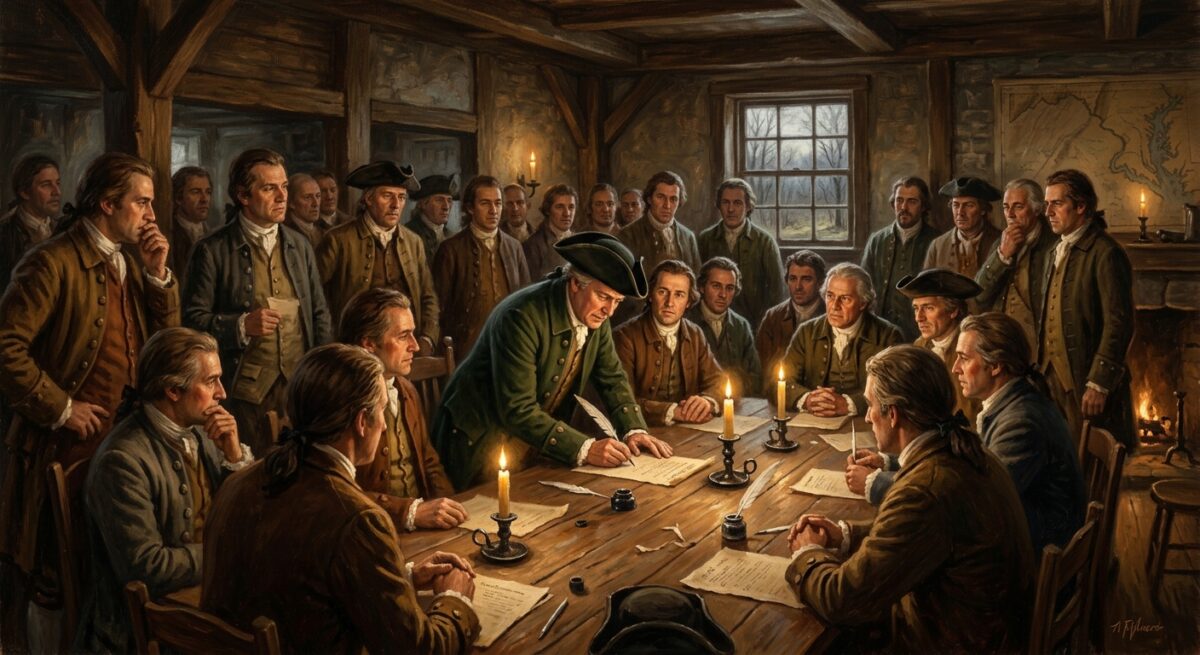
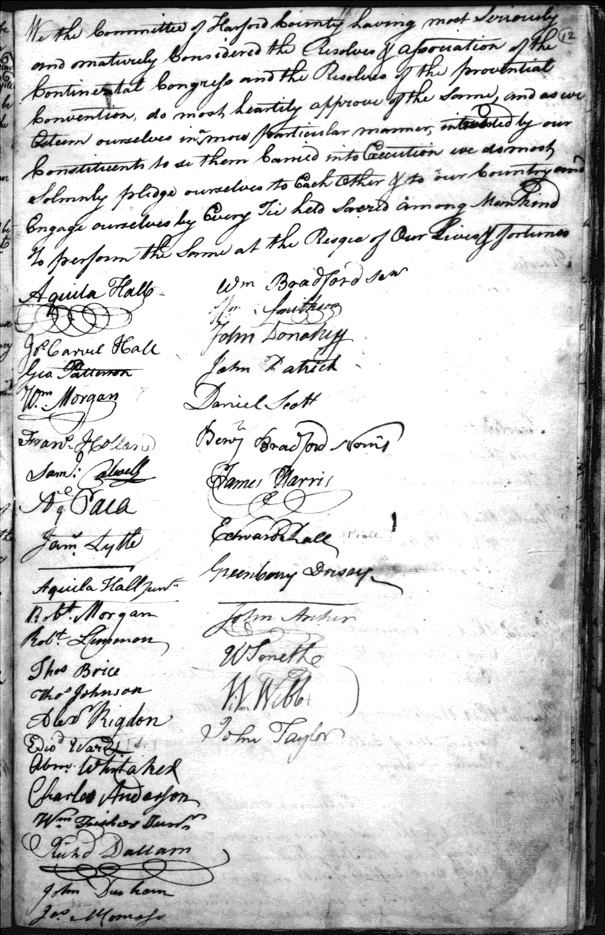
On March 22, 1775, fifteen months before Thomas Jefferson put quill to parchment, 34 men gathered in Harford County and signed their names to something that could have gotten them killed. The document they produced, known as the Bush Declaration, or sometimes the Bush River Declaration, or the Harford Declaration, was a pledge of loyalty to the Patriot cause. It was a treasonous act.
In the Bush Declaration, these patriots stopped short of declaring independence, but they signaled that they were not backing down.
In language that carries its own weight across 250 years, the signers committed themselves to uphold the resolves of the Continental Congress and the Provincial Convention “at the risque of our lives and fortunes.” Thirty-four men. One county. A statement that local historians have long characterized as one of the first declarations of independence made by any representative body in America.
When those committee members gathered in the spring of 1775, the battles at Lexington and Concord were still weeks away. The Continental Congress had not yet convened its second session. The colonies were arguing, organizing, and bracing, but the formal break with Britain remained more than a year in the future.
What happened in Harford County that March was not a footnote to Philadelphia. It was part of the current that made Philadelphia possible.
The document did not declare separation from the Crown outright. But it drew a line. It named a side. And it did so in a county that would go on to lend its name, and its people, to the revolution that followed.
Harford Town itself is largely gone now, absorbed into the geography of a county that grew up around it. The name survives in history books and in the occasional historical marker that drivers pass without slowing down. But as the nation marks its Semiquincentennial this week, 250 years since the Continental Congress voted for independence on July 2, 1776, and adopted the Declaration two days later, the story of what happened here first is something worthy of slowing down for.
Harford County residents celebrating this Fourth of July weekend carry a local legacy that runs deeper than most realize. The 34 signers of the Bush Declaration were not famous men. They were committee members, local leaders, property owners, ordinary figures of their time who made an extraordinary choice when the outcome was far from certain.
That is, in many ways, the more honest version of the founding story. Not marble and monuments, but 34 names on a document in a county that no longer carries the town’s name, signed in a month when no one yet knew how it would end.
They risked their lives and fortunes anyway.
- Havre de Grace formalizes civilian safety team after shooting in Bully Rock
- Bel Air Commissioner pushes back after resident demands police review
- I moved to Maryland and immediately failed trash day
- Aberdeen Legion's Crab and Bull Feast Is the All-You-Can-Eat Event You Didn't Know You Needed
- Bel Air's BBQ Bash is Back: Here's What You Need to Know