

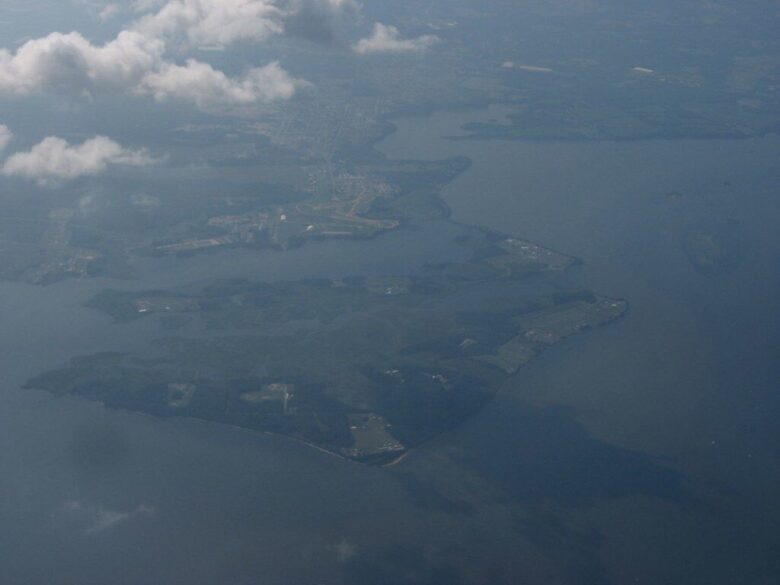
A commercial nuclear reactor is coming to Aberdeen Proving Ground, and residents in surrounding communities want to know what that means for nuclear waste in their backyards.
What we know: The U.S. Army has chosen a company called Ameresco to build and operate a power generation facility at Aberdeen Proving Ground, the military installation in Aberdeen. The project will include both a natural gas plant and an advanced nuclear reactor. The Army expects the facility at Aberdeen Proving Ground to start generating power by 2030. However, the U.S. Army’s broader Janus Program aims to have its first Army-regulated nuclear reactor operational at a domestic military installation by September 30, 2028.
The reactor: The nuclear component will use what is called an Integral Molten Salt Reactor, a newer type of reactor design known as Generation IV technology. This is different from the kind of reactors used in most existing nuclear power plants in the United States. The reactor will be built and run by Ameresco as a commercial operation — not owned or run by the federal government. The U.S. government will keep ownership of the land under a lease arrangement, while Ameresco owns and operates what sits on it.
Who gets the power: The facility is not just for the military base. It is also planned to sell electricity to the broader regional power market, meaning it would function like a commercial power plant that happens to sit on Army land.
Why the Army wants it: The Army says the project is part of a broader effort to make military installations less dependent on outside power grids, which officials consider a potential vulnerability. The project at Aberdeen Proving Ground falls under the U.S. Army’s Strategic Capital Initiatives. While it aligns with the broader objectives of the Army’s Janus Program for energy resilience, it is a distinct project from the initial five microreactor awards made under the Janus Program to other military installations.
What residents are asking: People who live near Aberdeen Proving Ground have raised concerns about nuclear waste. While some low-level radioactive waste may require management for decades, high-level radioactive waste, such as spent nuclear fuel, remains dangerous and must be stored and managed for hundreds of thousands of years. It is not yet clear publicly how waste from this reactor would be handled, where it would be stored, or what oversight residents near the base would have.
What’s still unknown: Key details about the project have not been made public, including how nuclear waste will be managed, what safety oversight will apply to a commercially operated reactor on military land, and what role — if any — state or local officials will have in the permitting process.
The path forward: Ameresco is leading development of the project with a target start date of 2030. No construction timeline has been announced.